

ROI Calculator

Effortlessly Evaluate Your Investment with Our ROI Calculator

What is an Elastic RFID Wristband and its Uses?

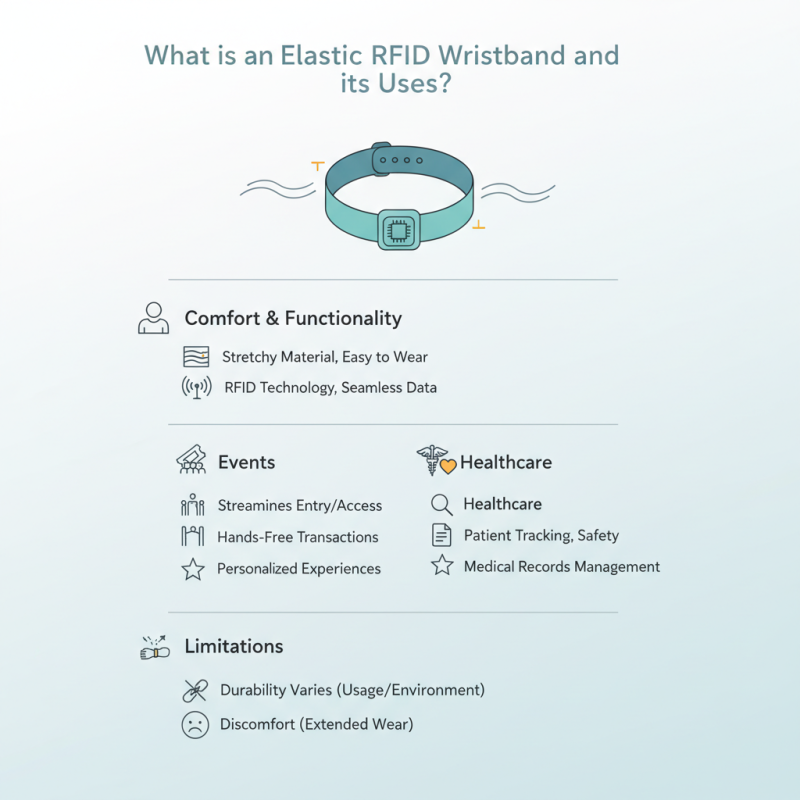
The elastic rfid wristband is a versatile tool that has gained popularity in various industries. This wearable device combines comfort and functionality. It is made from a stretchy material, making it easy to wear for long periods. The RFID technology integrated into the wristband enhances its capability, allowing for seamless data transmission.

In events, the elastic RFID wristband is essential. It streamlines entry processes and access control. Participants can enjoy hands-free transactions and personalized experiences. In healthcare, these wristbands are often used to track patients. They ensure safety and improve efficiency in managing medical records.

Despite its benefits, the elastic RFID wristband has some limitations. For instance, durability can vary based on usage and environmental factors. Some people may also find the fit uncomfortable after extended wear. Understanding these nuances is vital for optimizing its use in different scenarios.
What is an Elastic RFID Wristband and its Uses?

What is an Elastic RFID Wristband?

Elastic RFID wristbands are innovative devices that combine comfort with functionality. These wristbands utilize Radio Frequency Identification (RFID) technology, enabling seamless data transfer. The elastic material ensures a snug fit, making them ideal for various applications. In the event management sector, for instance, RFID wristbands enhance access control and streamline guest experiences at festivals and conferences.

According to a report by Allied Market Research, the global RFID market is expected to reach $40.5 billion by 2027. This growth highlights the increasing adoption of RFID technology across different sectors. Elastic RFID wristbands are particularly popular in access management and cashless transactions. They provide event planners with real-time data and analytics. This data can improve decision-making and enhance security measures.

Despite their advantages, there are some limitations to consider. The durability of elastic RFID wristbands can vary, depending on usage conditions. Regular wear and tear can lead to malfunctions, impacting user experience. Additionally, while RFID technology offers convenience, privacy concerns may arise around data security. Addressing these issues is essential for wider acceptance and trust in these innovative wristbands.

Key Features of Elastic RFID Wristbands

Elastic RFID wristbands have become popular in various sectors. They offer a unique blend of flexibility and functionality. These wristbands are made from comfortable, stretchable materials that fit a variety of wrist sizes. They often contain a small RFID chip, allowing for seamless access control. This feature makes them ideal for events, festivals, and other large gatherings.

One key feature of elastic RFID wristbands is their durability. They are designed to withstand wear and tear, making them suitable for outdoor activities. Additionally, they can be made waterproof, ensuring that they remain functional in various environments. The wristbands can also be customized with unique designs or colors, enhancing branding opportunities for businesses.

To maximize usability, users should ensure that the RFID chip is correctly inserted and undamaged. Regularly check the band for signs of wear, particularly if used frequently. Avoid exposing the wristband to extreme conditions, which may compromise its effectiveness. Remember, a little maintenance goes a long way in prolonging its lifespan and ensuring its features function optimally.

Market Trends and Growth in the RFID Wristband Industry

The RFID wristband market is witnessing significant growth. According to a recent market research report, the global RFID wristband industry is projected to reach USD 2.3 billion by 2027. This growth is largely driven by increased demand in sectors like events, healthcare, and theme parks. Many organizations are adopting these wristbands for enhanced user experience.

Elastic RFID wristbands offer versatility and comfort. These bands can be customized for various applications, from access control to cashless payments. The healthcare sector particularly benefits. Hospitals utilize them for patient identification and medication tracking.

However, challenges exist regarding data privacy and security. While technology improves, concerns about user information protection remain.

Market trends indicate a shift towards smart integrations. Many wristbands now feature proximity sensors and environmental monitoring capabilities. This evolution poses questions about usability. As features grow, so does the complexity. Companies must balance innovation with user-friendly design. The need for thorough testing and market feedback is crucial in this continuously evolving landscape.

Applications of Elastic RFID Wristbands in Events and Security

Elastic RFID wristbands are revolutionizing event management and security. These wristbands are made from flexible materials, providing comfort and durability. They are embedded with radio-frequency identification (RFID) technology, allowing for quick access and data transfer. This makes them ideal for crowded environments like concerts, festivals, and conferences.

In events, elastic RFID wristbands streamline the attendee experience. Guests can enter venues without waiting in long lines. Scanning the wristband reveals their identity and ticket status. This system increases efficiency and often enhances security. Lost or stolen wristbands can be deactivated quickly, minimizing risks. Additionally, they enable cashless transactions, making purchases seamless at food stalls or merchandise shops.

However, challenges remain. Not every venue is equipped for RFID technology, which can lead to operational hiccups. Privacy concerns also arise as personal data is often linked to these wristbands. Event organizers must ensure data protection measures are in place. A balance between convenience and security needs careful consideration.

What is an Elastic RFID Wristband and its Uses? - Applications of Elastic RFID Wristbands in Events and Security

Dimension Details
Material Elastic and durable fabric with embedded RFID chip
Size Adjustable to fit all wrist sizes
Frequency Low Frequency (LF) or High Frequency (HF)
Typical Range Up to 1 meter, depending on the reader
Common Uses Access control, event ticketing, cashless transactions
Advantages Convenient, reusable, customizable, waterproof
Industries Events management, security, healthcare, amusement parks

Benefits of Using RFID Technology in Wearable Wristbands

RFID technology has gained traction in the wearable sector. Elastic RFID wristbands are a prime example of this evolution. They offer numerous benefits that enhance user experience across various industries. For instance, according to a report by MarketsandMarkets, the global RFID market is projected to reach $14.6 billion by 2026, showcasing the growing demand for these innovative solutions.

One significant advantage of RFID wristbands is their ability to streamline operations. In events or festivals, these wristbands enable quick access and cashless transactions. Studies show that RFID wristbands can reduce wait times by up to 30%. This improves overall satisfaction for attendees. Moreover, they enhance security. Unlike traditional tickets, RFID wristbands are harder to duplicate, reducing the risk of fraud.

In healthcare, RFID wristbands play a crucial role in patient management. Hospitals report a 25% reduction in patient misidentification errors since adopting RFID solutions. However, challenges remain. Integration with existing systems can be complicated. Additionally, ensuring data privacy is an ongoing concern. Organizations must continually reflect on their approaches to maintain trust while leveraging RFID technology.